
Have you ever stood somewhere so high it made your problems feel small? That’s exactly what Mt. Ulap does to you. On April 12, we took on its Eco-Trail in Itogon, Benguet, and somewhere between the pine forests and the open ridges, the noise of everyday life quietly slipped away.
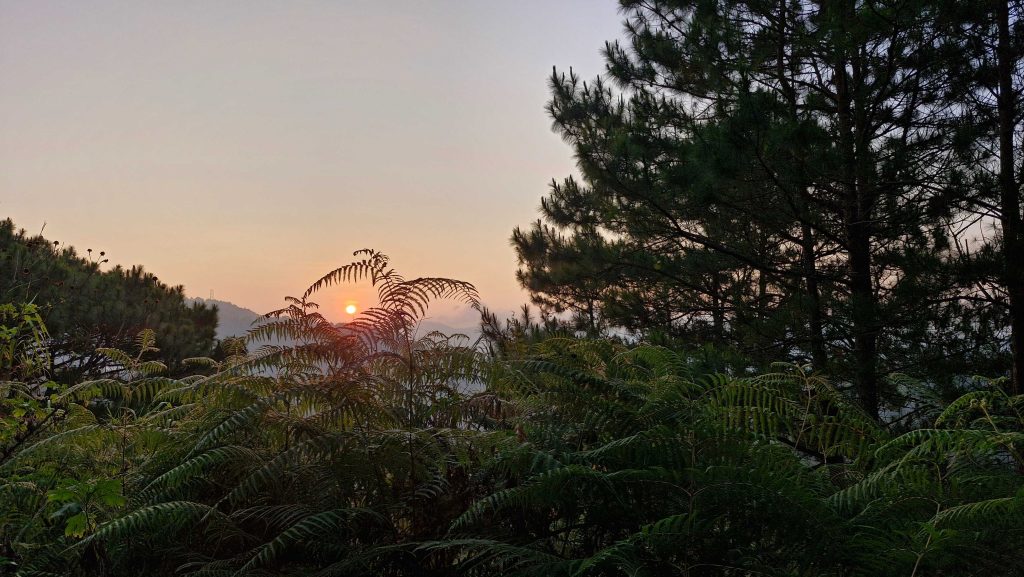
It’s not just a hike. It feels more like a slow unfolding. You begin surrounded by trees, wrapped in cool mountain air, and before you even realize it, the world opens wide. The trail stretches out into rolling hills, soft and endless, like something you’d expect to see in a different country entirely. It’s the kind of place that makes you pause, even when your legs want to keep going.
By the time you reach the higher points, the experience shifts. You’re no longer just walking a trail. You’re feeling every step, every gust of wind, every moment of doubt and excitement. And somehow, Mt. Ulap manages to compress all of that into a nine-kilometer journey that lingers long after it ends.
TL;DR
- A 9 km scenic trail with forests, ridges, and grasslands
- Gungal Rock offers one of the most thrilling viewpoints
- Beginner-friendly but still physically demanding
- Local guide and registration required
- Weather changes quickly, preparation is key
- Ends with a certificate and a strong sense of achievement
In this article, you will understand what makes the Mt. Ulap climb memorable, from its shifting landscapes to the quiet lessons it leaves behind.
A Journey That Begins in Stillness
The trail begins beneath the tall Benguet pines, where the air feels noticeably cooler and lighter. There is a quiet rhythm to the forest, broken only by the sound of footsteps pressing against the ground and the occasional rustle of leaves. It is here that the climb eases you in, almost gently, as if preparing you for what lies ahead.
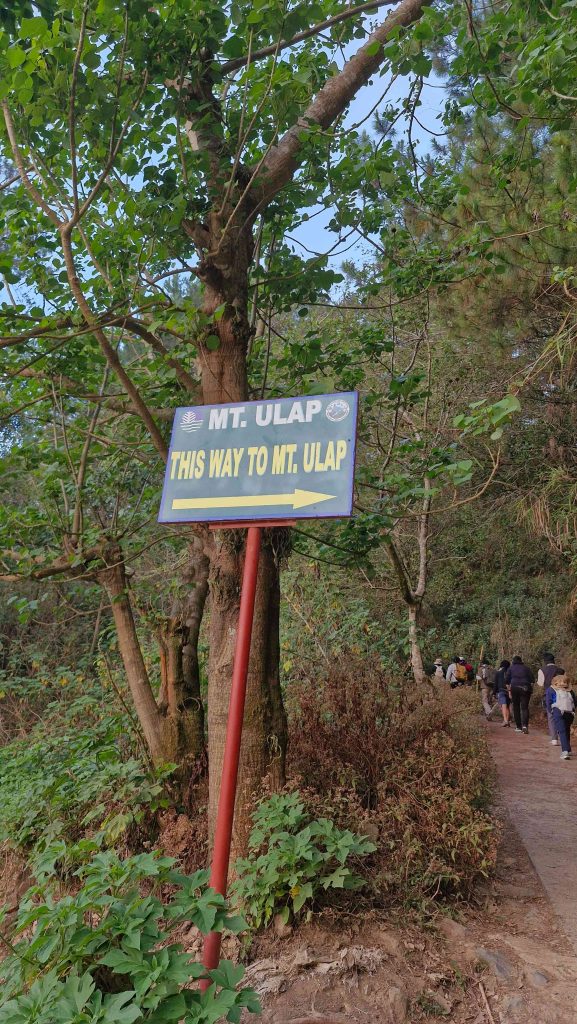
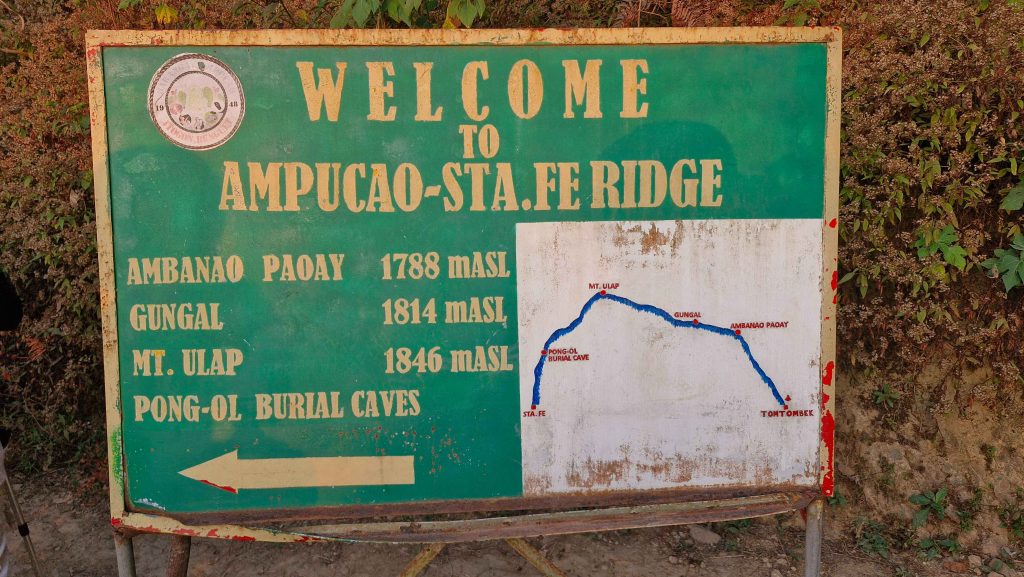
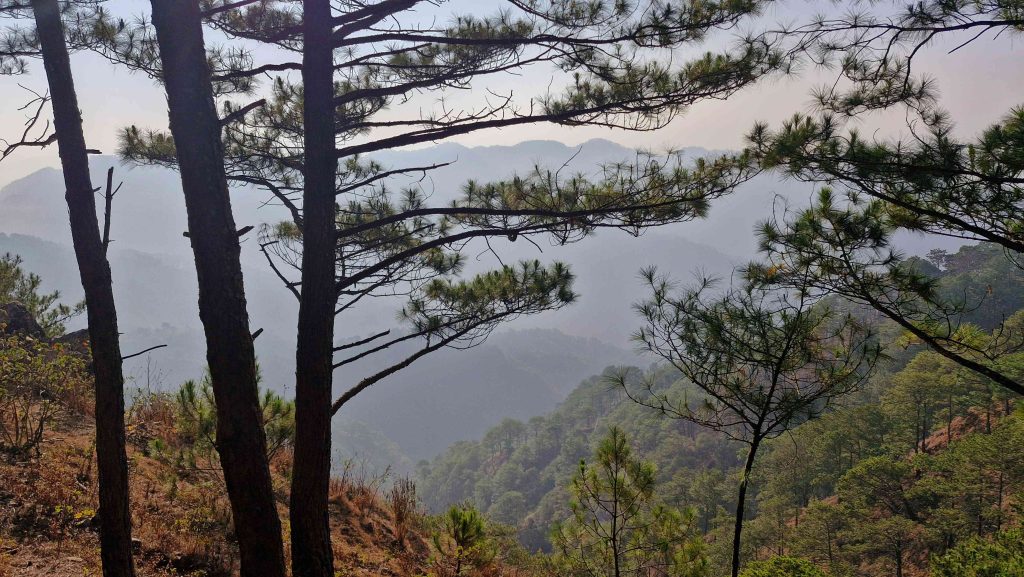
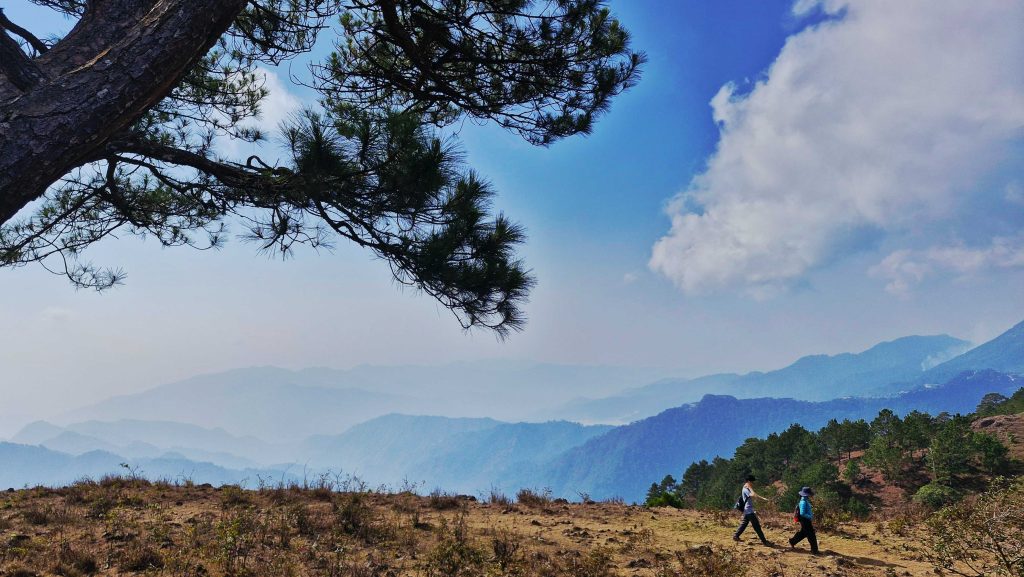
As the path gradually rises, the surroundings begin to change. The dense canopy thins, and light pours in more freely. The transition is subtle at first, but then it becomes undeniable. The forest gives way to open space, and suddenly, the landscape expands in every direction. Rolling grasslands replace the trees, and the horizon stretches far beyond what the eye can comfortably hold.
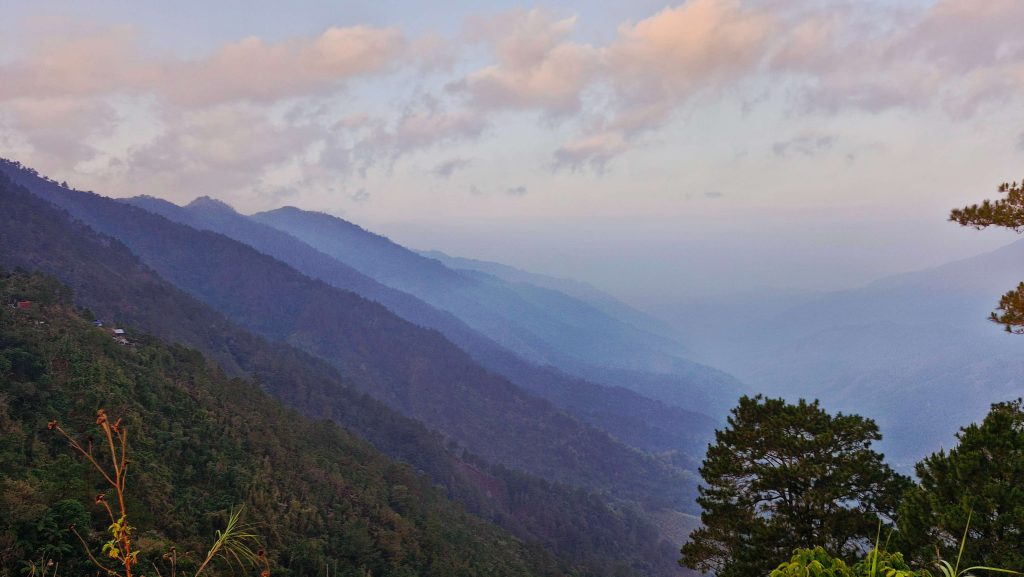
There is something surreal about this shift. One moment you are enclosed, and the next you are exposed to sky and distance. It creates a quiet sense of awe, the kind that does not demand attention but settles deeply within you.
Key Takeaways
- The hike begins with a calm, forested ascent
- Cool mountain air defines the early experience
- The transition to grasslands is gradual but striking
- The terrain remains accessible for most hikers
The Edge Where Fear Meets Wonder
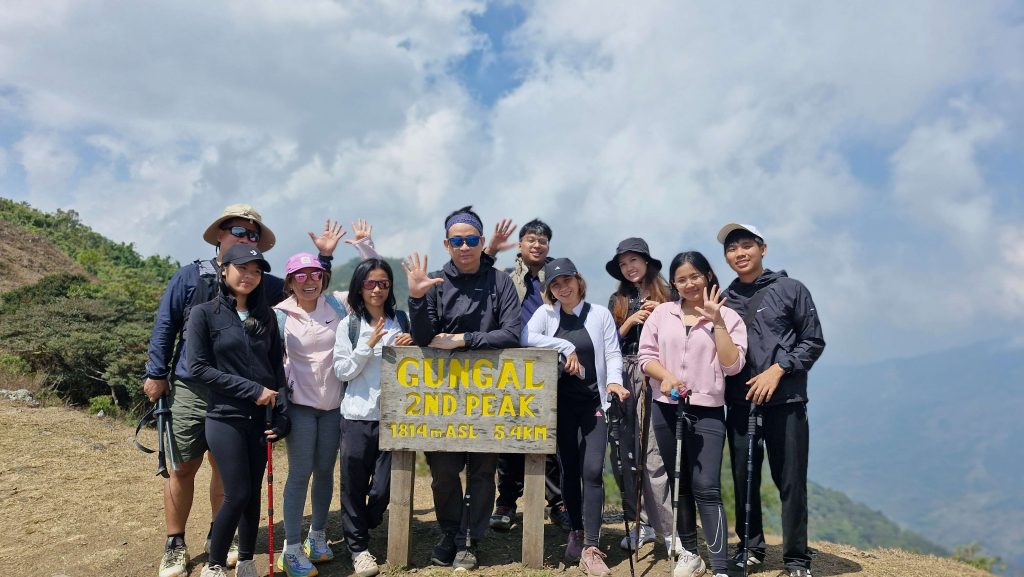
Among the many highlights of Mt. Ulap, Gungal Rock stands out as the most unforgettable. It is not just because of its shape or its height, but because of how it makes you feel. The overhanging rock extends outward into open space, offering a view that feels both vast and slightly intimidating.
Standing near it, there is a mix of anticipation and hesitation. The wind feels stronger, the drop more real. For those who choose to step onto the rock, the experience becomes even more intense. The mountains stretch endlessly in front, while clouds drift below, softening the edges of the world.
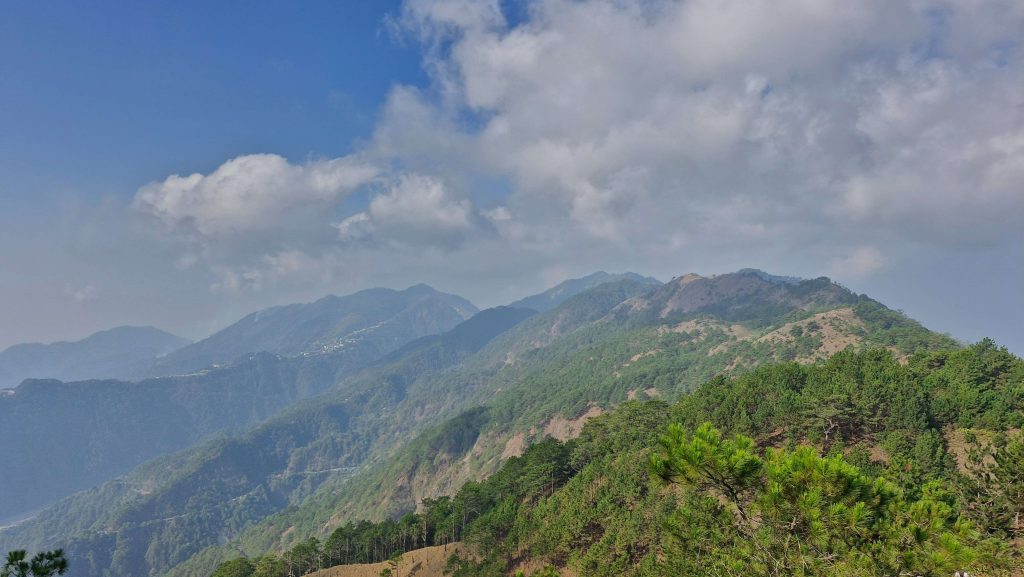
It is in this moment that the climb becomes more than physical. There is a quiet confrontation with fear, balanced by a deep sense of wonder. The photographs taken here may capture the scenery, but they cannot fully capture the feeling of standing on that edge, suspended between caution and courage.
Key Takeaways
- Gungal Rock is the emotional highlight of the climb
- The experience blends fear, thrill, and awe
- The views are expansive and deeply immersive
- It offers a moment of reflection as much as excitement
Reaching the Summit
Beyond Gungal Rock, the trail continues along open ridges where the elements become more noticeable. The sun feels warmer, the wind more persistent, and each step requires a bit more effort. The path is not overly steep, but it demands consistency and patience.
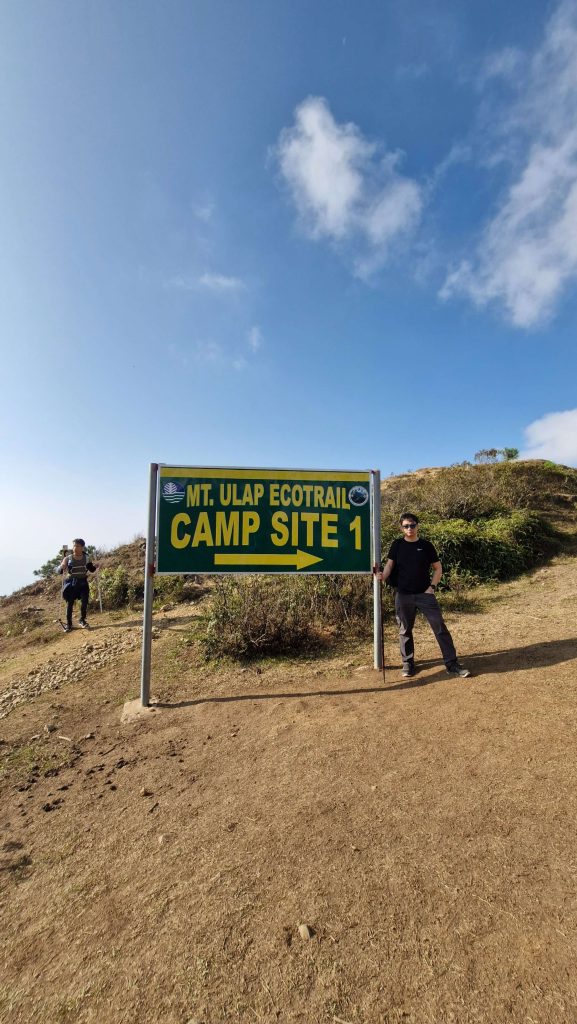
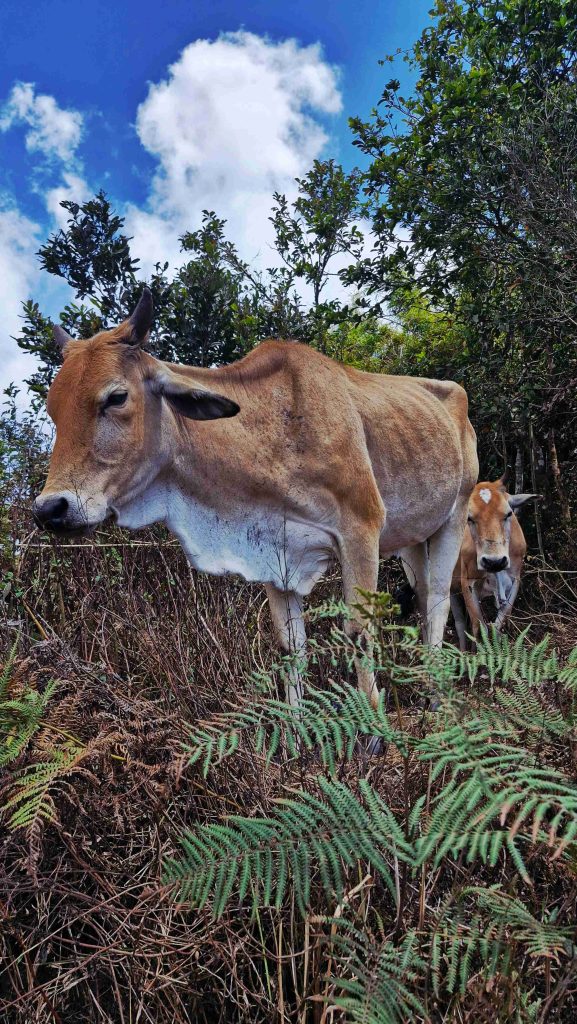
Along the way, grazing cows dot the hills, moving slowly and undisturbed. Their presence adds a quiet charm to the landscape, a reminder that life here follows a different pace. It encourages a moment of pause, even as the climb continues.
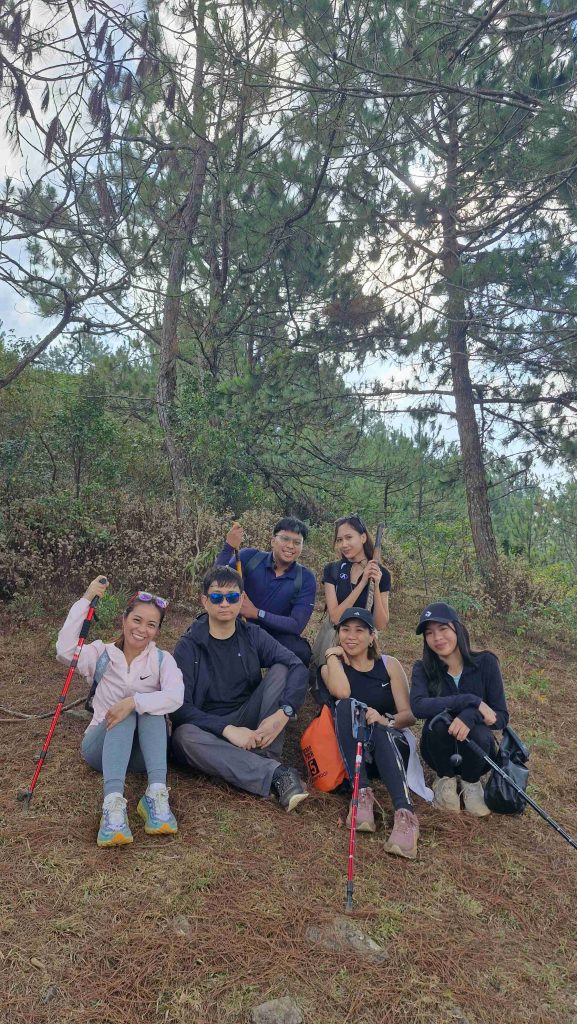
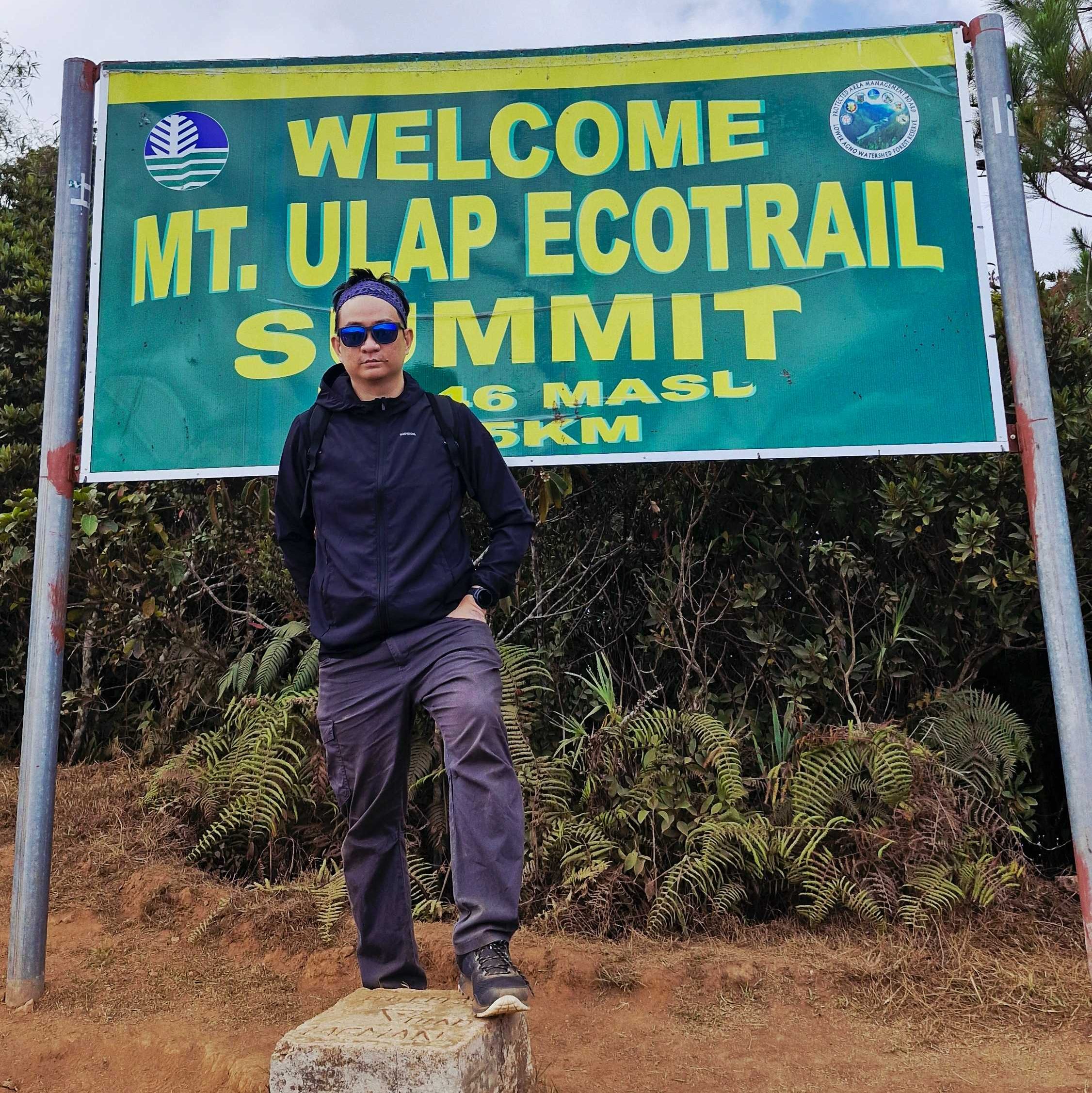
Eventually, the trail leads to the summit. Marked by a simple sign, the highest point offers a complete view of the surrounding Cordillera mountains. The perspective is expansive, stretching in all directions without interruption. It is a reward that feels earned, not just because of the distance covered, but because of the effort invested along the way.
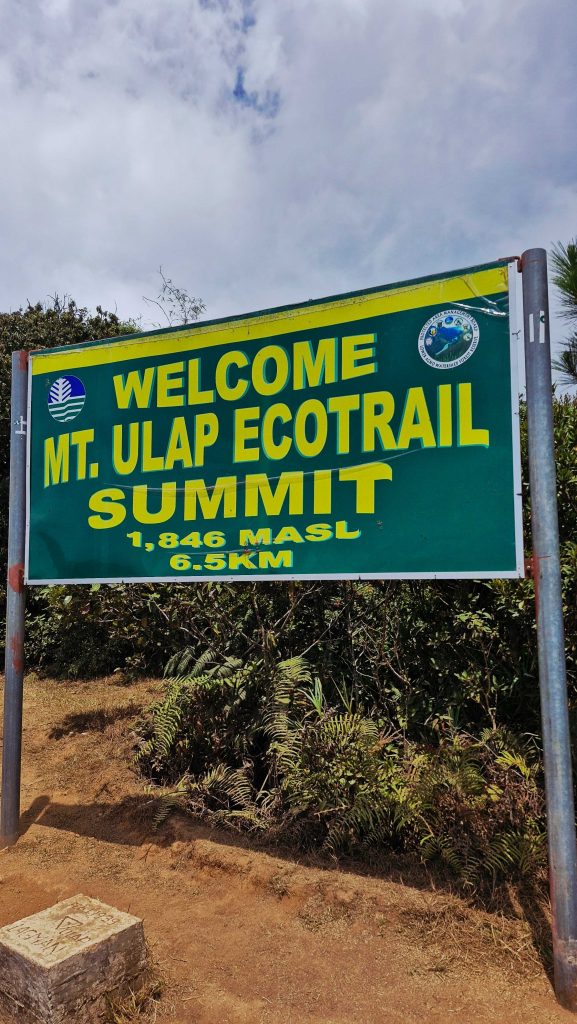
Reaching the summit is not a loud victory. It is quieter than that. It is a steady, internal acknowledgment that you have made it.
Key Takeaways
- The ridge walk introduces stronger wind and sun exposure
- The trail remains manageable but requires endurance
- The summit offers uninterrupted panoramic views
- The sense of achievement is subtle but powerful
The Descent and the Meaning of Distance
The journey does not end at the summit. The descent presents its own challenges, often underestimated by those who focus only on reaching the top. The slopes can be slippery, and tired legs make balance more difficult. It requires attention and care, even as the finish line approaches.
With each step downward, the experience begins to settle. The physical strain becomes more noticeable, but so does the sense of completion. The nine kilometers are no longer just a number. They become a measure of effort, persistence, and quiet determination.
At the end of the trail, hikers receive a Certificate of Completion. It may seem like a small gesture, but it carries meaning. It is a simple acknowledgment of the distance traveled and the challenges overcome.
More than anything, it serves as a reminder that the journey was real, and that you were part of it.
Key Takeaways
- The descent requires focus and careful movement
- Fatigue increases the difficulty of the final stretch
- The 9 km distance feels significant by the end
- The certificate symbolizes accomplishment and effort
Respecting the Mountain
Mt. Ulap is not just a destination. It is part of a living community and a cultural landscape that deserves respect. Visitors are required to register at Barangay Ampucao and hire a local guide, a system that supports both safety and the local economy.
There is also an unspoken responsibility that comes with entering the mountain. The land holds cultural significance for local communities, and simple acts of respect go a long way. Keeping noise levels low, asking permission before taking photos, and being mindful of surroundings are small but meaningful gestures.
Practical preparation is equally important. Weather conditions can change quickly, and the open ridges offer little protection from wind or rain. Proper footwear, sufficient water, and adherence to the Leave No Trace principle are essential.
These guidelines are not restrictions. They are part of what keeps the experience intact for everyone who follows.
Key Takeaways
- Registration and local guides are mandatory
- Respect for culture and environment is essential
- Weather conditions can shift rapidly
- Preparation ensures both safety and enjoyment
What Stays After the Climb
Mt. Ulap leaves more than just photographs. It leaves a feeling that is difficult to fully explain but easy to recognize once you have experienced it.
- The quiet of the forest at the beginning
- The tension and thrill at the edge of Gungal Rock
- The steady effort toward the summit
- The long, reflective walk back down
All of these moments come together into something lasting.
If you are considering the climb, take it as more than a checklist destination. Go with intention. Walk at your own pace. Let the experience unfold as it will.
